

USDC and USDT: Chinese Names and Key Differences Explained
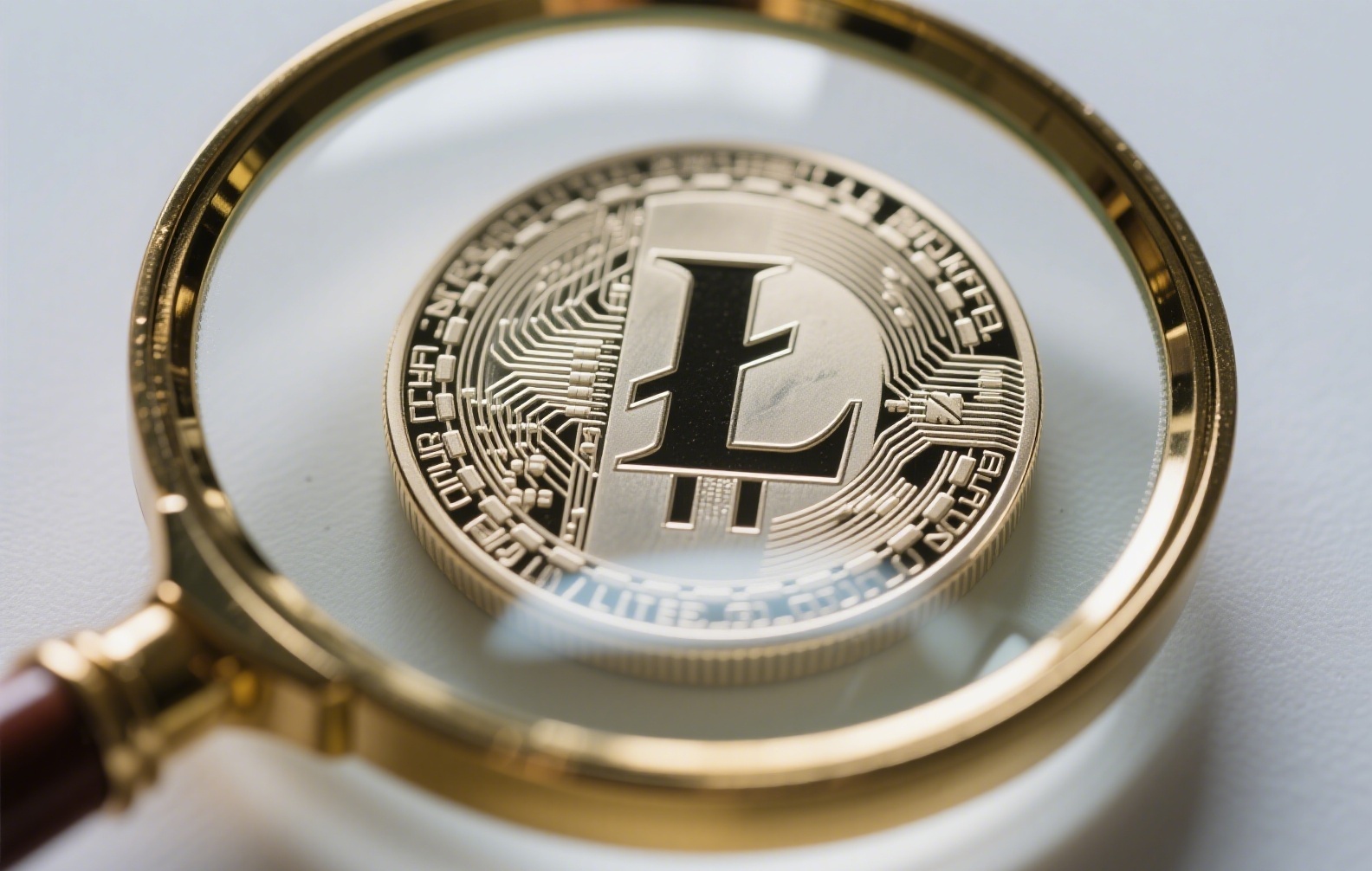
In the dynamic world of cryptocurrency, stablecoins like USDC and USDT have become fundamental pillars. For Chinese-speaking investors and enthusiasts, understanding their local identities is crucial. The Chinese name for USDC is "USD Coin," often directly transliterated as "Meiyuan Bi" (美元币) or referred to by its acronym. More commonly, it is simply called "USDC." In contrast, USDT, or Tether, is universally known in Chinese as "Tai Da Bi" (泰达币), a direct phonetic translation of "Tether." These names are the gateway for millions to access and discuss these digital assets in the Chinese market.
Beyond their names, recognizing the distinction between these two stablecoins is vital. Both are designed to maintain a 1:1 peg with the US dollar, but they differ significantly in their issuers, transparency, and underlying structures. USDT, issued by Tether, is the oldest and most liquid stablecoin, dominating trading volumes across exchanges. However, it has faced scrutiny over the completeness of its dollar reserve audits. USDC, issued by Circle in collaboration with Coinbase, positions itself on a foundation of regulatory compliance and full transparency, with monthly attestations of its reserves published by independent accounting firms.
This difference in operational philosophy is often summarized in the community: "Tai Da Bi" (USDT) is praised for its widespread adoption and liquidity, especially in peer-to-peer and cross-border transactions. Meanwhile, "USDC" is increasingly favored for institutional DeFi (Decentralized Finance) applications and as a safer harbor during market uncertainty due to its perceived reliability. For users, the choice may depend on the use case: USDT for its extensive network effect or USDC for its regulatory clarity.
The evolution of these stablecoins continues to shape the crypto landscape. As regulatory frameworks develop globally, including in influential markets like Asia, the transparency model championed by USDC is gaining traction. However, the deep liquidity and first-mover advantage of USDT ensure it remains a powerhouse. For any participant in the digital economy, knowing these key terms—"Tai Da Bi" for USDT and "USDC" or "Meiyuan Bi" for USD Coin—is more than linguistic knowledge; it's essential financial literacy. Understanding their unique profiles empowers investors to make informed decisions, navigate different trading platforms, and strategically manage digital asset portfolios in an ever-evolving ecosystem.

发表评论